A proposal might be sent by email, but plenty of business moments still arrive on paper: signed agreements, invoices, welcome packs, formal notices and letters that need to carry weight. The right letterhead printing service turns those everyday documents into a clear reflection of your business – organised, established and ready to deal.
For Australian businesses, letterheads are not about adding decoration to a page. They make your communications recognisable before the recipient reads the first line. A sharp logo, consistent colours and well-chosen stock can give a sole trader, growing local business or established professional firm the same polished presentation across every customer touchpoint.
What a professionally printed letterhead says about your business
A letterhead does quiet but valuable work. It puts your business name, contact details and visual identity in front of clients without taking over the document itself. When the design is clean and the print is crisp, it helps make a quotation feel more considered, an invoice easier to trust and a follow-up letter more memorable.
This matters most when your documents are being handled in person. Think of a property manager dropping a rental pack at a home, an accountant sending signed paperwork, a venue confirming an event booking or a tradie providing a written scope of work. The paper becomes part of the customer experience.
Consistency is the real value. If your business cards, envelopes, flyers and letterheads all use the same logo treatment, typefaces and colour palette, customers begin to recognise your brand faster. That recognition supports credibility, particularly for businesses competing in busy local markets.
Choosing a letterhead printing service that suits the job
Not all letterheads are used in the same way. Before ordering, consider what you will print on them after delivery, how often you use them and who receives them. The best choice is usually a balance of appearance, practical use and cost per sheet.
Start with the paper stock
Standard office-friendly paper is a practical option for documents that will run through your own printer. It keeps the letterhead easy to write on, photocopy and file, while still providing a professional branded base for day-to-day correspondence.
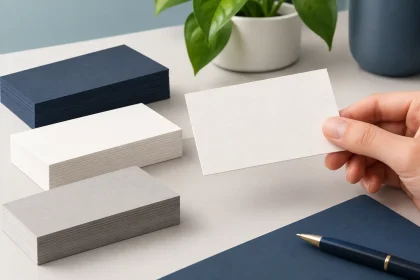
A heavier or more premium uncoated stock can work well for formal letters, presentation packs and documents handed directly to clients. It has a more substantial feel, although it may not be the best fit for every office printer. If you intend to overprint at home or in the office, confirm that the stock and quantity suit your equipment first.
Uncoated paper is generally the safer choice for letterheads because it accepts handwriting, stamps and laser or inkjet printing more easily than glossy coated stock. The goal is not simply to choose the thickest sheet. It is to choose stock that performs properly in the way your team works.
Keep the design useful, not crowded
Your logo should be easy to spot, but it should not compete with the content of the letter. Most businesses achieve the best result with a restrained header, footer or both. Include the essentials: business name, phone number, email address, website details and relevant registration information where required.
Leave generous clear space for the document content. A letterhead can look excellent on screen yet become frustrating to use if the header is too deep, the footer climbs too high or a watermark makes body text hard to read. Your staff should be able to use a standard document template without constantly adjusting margins.
For professional services, a simple one or two-colour layout often feels appropriate and keeps future reprints straightforward. Hospitality venues, retail brands and events may benefit from stronger colour or a more distinctive visual treatment. It depends on the brand, the audience and whether the letterhead needs to feel formal, creative or promotional.
Get colour right from the start
Brand colours can shift when artwork is prepared for screens rather than print. A bright RGB blue, for example, may reproduce differently once printed in CMYK. Supplying press-ready PDF artwork prepared for print gives the production team the best chance of matching your intended result.
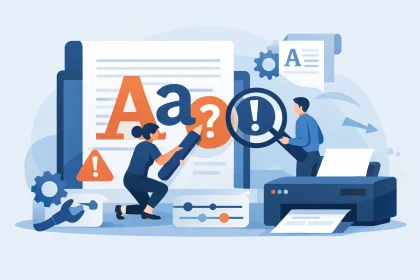
Small details matter here. Fine white type reversed out of a dark colour can be difficult to reproduce at very small sizes. Pale colour text may not have enough contrast, and images with low resolution can look soft. If the artwork needs attention, resolving those issues before print avoids disappointment and delays.
Artwork checks that prevent wasted letterheads
A letterhead is often ordered in useful quantities, so a minor setup error can become an expensive one. A few checks before upload can protect your budget and help keep production moving.
Make sure your finished page size is correct, usually A4 for standard correspondence. Keep important text and logos comfortably inside the trim area, and add bleed only where background colours or graphics run to the edge of the page. Use high-resolution images and convert fonts to outlines or embed them in the PDF so they do not substitute unexpectedly.
It is also worth reading every contact detail one more time. An old phone number, an outdated address or a misspelled email address can sit on thousands of sheets if nobody catches it beforehand. Ask a colleague to check the final PDF with fresh eyes, especially where legal wording, ABNs or licence details appear.
If you are not confident your file is ready, get support before placing the order. A practical print partner should be able to flag common artwork issues and help you understand what needs to change. That is usually faster and more affordable than discovering a problem after the job has been produced.
When quantity changes the best option
Ordering more letterheads generally lowers the cost per sheet, but the largest run is not automatically the smartest purchase. Businesses with stable branding and regular paperwork use can benefit from ordering ahead. It keeps stationery on hand and avoids the rush of reordering when the last box is nearly gone.
For a new business, a rebrand or a campaign with changing contact details, a smaller quantity may be more sensible. It gives you room to refine the design without writing off unused stock. The same applies if your team sends most correspondence digitally and only needs printed letterheads for selected client-facing occasions.
Think about storage too. Paper should be kept flat, dry and away from direct sunlight. A clean office cupboard is better than a humid storeroom or the back of a ute. Good storage helps prevent curling, fading and marks before the sheets ever reach your printer.
Pair letterheads with the stationery people actually see
A letterhead works harder when it arrives in a matching envelope and follows a business card or printed flyer from the same brand. These pieces do not need to look identical, but they should clearly belong together. Repeated colours, logo placement and type styles create a more deliberate impression.
For example, a local accountant might use a clean letterhead for client correspondence, matching envelopes for document packs and premium business cards for appointments. A wedding venue could combine branded letterheads for booking confirmations with brochures, menus and drink coasters for on-site events. Each item serves a different purpose, but together they make the business easier to remember.
iPrint Media helps Australian businesses order branded print collateral with high-quality production, practical artwork support and reliable courier delivery. Whether you have a press-ready PDF or need help getting the file into shape, the process should feel clear: confirm the job, upload artwork, approve the details and let the print team do their magic.
Make every printed document feel intentional
Your letterhead does not need flashy design to make an impact. It needs accurate details, a layout that is easy to use and print quality that supports the reputation you have worked hard to build. Choose stock and quantities around your real day-to-day needs, check your artwork carefully and keep the finished sheets ready for the moments when paper still says more than an attachment ever can.