A customer sits down, scans the table and makes a judgement before they have taken their first sip. Is the venue polished? Is there something worth ordering? Can they find the Wi-Fi, a current special or the booking details without asking staff? Hospitality table branding turns that small patch of table space into a useful part of the customer experience.
For cafés, bars, restaurants, pubs and event venues, branded table materials do more than carry a logo. They give people a reason to notice an offer, order another round, tag the venue or return for a future visit. Done well, they look like they belong in the space rather than feeling like advertising dropped on the table.
Why hospitality table branding earns its place
Tables are one of the few places where customers stay put long enough to read. While wall signage competes with movement, conversation and the general buzz of service, a coaster, table card or compact promotional flyer is right where a guest is already looking.
That makes table branding especially useful for messages with a clear next step. A weekday lunch special, a limited cocktail menu, an upcoming event, a loyalty offer or a function enquiry prompt can all work harder when presented at the point of decision.
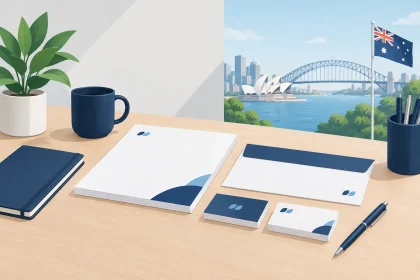
It also brings consistency to the venue. A smartly printed coaster that matches your takeaway packaging, business cards and front-window signage makes the brand feel considered. Customers may not consciously identify every design choice, but they do notice when a venue feels organised and professional.
The commercial value is straightforward. If a well-placed prompt helps guests discover a higher-margin drink, book a table for a later date or remember your venue when planning an event, the printed piece has done more than decorate the table.
Start with one job for each table piece
The most effective hospitality table branding is focused. Trying to promote six specials, your full story, every social channel and a QR code on one small item usually creates clutter. Guests should understand the main message in a few seconds.
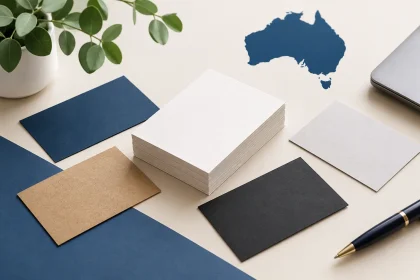
Choose the job first, then select the format. Branded drink coasters are ideal for constant visibility and repeat handling. They suit logo recognition, short calls to action, seasonal offers and social prompts. A table card can carry a little more detail, such as a set-menu offer, function package or upcoming live music schedule. A small flyer can work well for a takeaway voucher or a promotion guests can take with them.
If you run a busy bar, a simple coaster promoting a signature cocktail may be all you need. For a wedding venue or function space, a neat tabletop card encouraging guests to enquire about private events may be more valuable. The right approach depends on how long customers stay, what they are likely to buy and what action matters most to your business.
Match the message to the service moment
A breakfast café may use table materials to promote catering, gift vouchers or beans for home. A pub could spotlight weekday specials before guests order, then use coasters to promote trivia nights or live sport. At a corporate event, branded table collateral can reinforce sponsors, explain a product or direct attendees to a prize draw.
Think about when the guest will see it. Before ordering, they are open to menu upgrades and special offers. During the meal, they may be more likely to browse an event calendar or scan a code for a loyalty offer. At the end of service, a voucher or takeaway flyer gives them a reason to come back.
Keep the design clear from a seated distance
Hospitality venues are not quiet boardrooms. There can be low light, busy tabletops, condiments, glassware and plenty of visual distractions. Your design needs to be readable at a glance, not just impressive when viewed enlarged on a screen.
Lead with one strong element: a short offer, a recognisable logo, an appetising image or a direct instruction. Use clear contrast between text and background, and leave enough open space around the key message. Tiny type, pale colours and crowded layouts may look clever in artwork, but they are easily missed during a busy service.
Your brand colours should be accurate and consistent, but practicality comes first. A dark venue may need brighter type and stronger contrast. A premium restaurant may prefer restrained colours and elegant stock, while a family-friendly café can use bolder graphics and a more playful tone. Neither choice is automatically better. It needs to suit the setting and the customer.
Use QR codes with a clear reason to scan
QR codes can be useful on table materials, particularly when they lead to a current menu, booking page, loyalty sign-up or event details. They should not be included simply because there is space.
Tell customers what happens when they scan. “View our cocktail menu”, “Book your next function” or “Join for member-only offers” gives the code a purpose. Ensure it has enough clear space around it and test it from a printed proof or sample before placing a large order. A code that is too small, poorly contrasted or sent to an outdated page wastes a valuable touchpoint.
Choose materials that can handle hospitality use
Table collateral has a tougher job than a letterhead or brochure. Coasters face condensation, spills and frequent handling. Table cards may be moved, wiped around or exposed to sunlight near a window. The material needs to reflect the venue while being realistic about how it will be used.
For drink coasters, absorbency matters. A quality coaster stock helps manage moisture while giving you a dependable surface for sharp branding. It is a practical item that customers interact with repeatedly, which is why it remains one of the strongest hospitality branding tools.
For promotional cards and flyers, consider whether they need to be durable, disposable or portable. A short-run flyer for a one-week offer does not need the same finish as a long-term function promotion. If customers are expected to take it home, use stock that feels worth keeping. If the message changes every week, a simple, cost-effective format may make more sense.
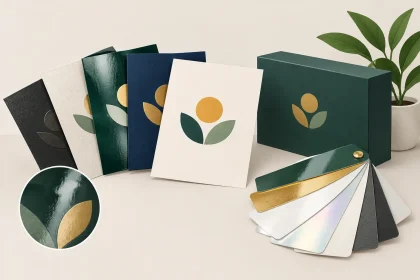
Print finishes and paper weights should support the purpose rather than inflate the budget. Premium materials can reinforce an upmarket dining experience, but a busy local venue may get better value from regularly refreshed, well-designed pieces. Good branding is not always the most expensive option. It is the option that looks right, performs well and can be ordered again when needed.
Build campaigns that are easy to update
Hospitality moves quickly. Seasonal menus change, events sell out and promotions can shift based on stock, weather or local demand. Avoid printing a large quantity of materials with dates, prices or details that are likely to become outdated too soon.
A useful approach is to keep the main branded design consistent while changing one campaign panel or message. Your logo, colours, venue name and core contact details stay in place. The offer can then be refreshed for winter specials, Friday knock-offs, Mother’s Day bookings or a new menu launch without redesigning everything from scratch.
This also helps protect your budget. Rather than ordering a huge quantity because the unit price looks attractive, consider how quickly the information may date. A smaller run with a fast turnaround is often the safer choice for event-led or seasonal campaigns.
Get artwork right before it reaches print
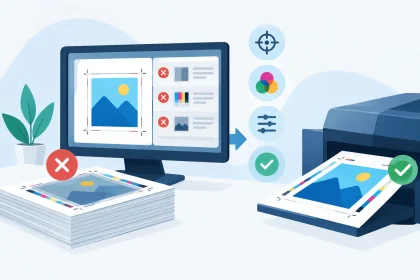
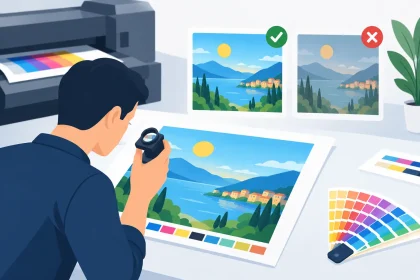
A polished printed result starts with suitable artwork. Images need to be clear enough for print, logos should be supplied in high-quality files, and text needs to sit safely within the design area. A PDF that looks acceptable on a mobile screen can still create problems if it is low resolution or uses incorrect dimensions.
Before approval, check the offer wording, dates, phone number, spelling and QR code destination. It is easy to focus on colour and overlook a missing digit in a booking number. Ask someone who has not worked on the design to read it as a customer would. If they cannot tell what the promotion is or what to do next, simplify it.
If you have press-ready files, online ordering and PDF upload make the process straightforward. If the artwork needs attention, getting print advice early can prevent delays and avoid a batch of materials that does not meet expectations. At iPrint Media, the team can help identify artwork issues before production, which is particularly useful when deadlines are tight.
Make every table feel intentional
The best table branding does not shout over the atmosphere you have worked hard to create. It gives customers useful information in a format that feels natural to the venue, while quietly supporting more bookings, stronger offers and better recall.
Start with one high-value message and one practical printed item. A well-designed coaster or tabletop promotion is often enough to show how much more your tables can do between orders.