A flyer with the wrong offer, business cards with an old mobile number, or coasters ordered in a quantity that sits in storage for two years all cost more than the invoice suggests. Effective printing cost reduction is not about choosing the cheapest stock or stripping away the details that make your brand look professional. It is about making smarter choices before artwork reaches the press.
For Australian businesses, print still does practical work. It gives customers something to take away, puts your brand in front of people at the counter, supports sales meetings and helps an event look organised from the first interaction. The goal is to spend less on avoidable waste while keeping the finished piece sharp, useful and on-brand.
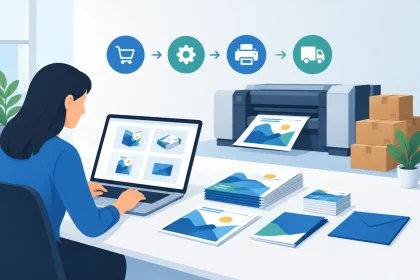
Printing cost reduction starts before you order
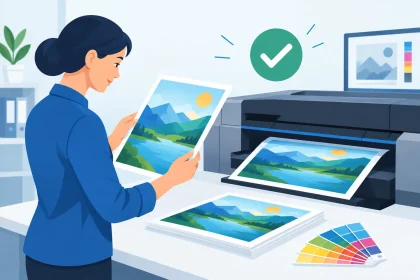
The most expensive print job is often the one that needs to be reprinted. A small artwork issue can become a costly delay when it is discovered after ordering, or worse, after the finished product arrives. Taking a few minutes to check your files can protect both your budget and your deadline.
Start with the details most likely to change. Check phone numbers, website addresses, prices, dates, staff names and promotional terms. If a flyer promotes a short campaign, order only enough to cover the campaign period with a sensible buffer. A lower unit price is not a saving if half the run becomes outdated before it is handed out.
It also pays to use the correct document size and include bleed where required. Bleed is the extra image area beyond the trimmed edge of the page. Without it, a design with colour or photos running to the edge can produce unwanted white lines after trimming. Supplying a press-ready PDF helps keep production moving and reduces the risk of artwork amendments holding up your job.
If you are unsure whether a file is ready, ask before you commit to print. Getting a quick check can be far more affordable than fixing a large run after the fact. At iPrint Media, customers can upload completed artwork or speak with the print team when something needs attention.
Order quantities that match real demand
Bulk ordering can reduce the cost per item, but bigger is not always better. The right quantity depends on how quickly the information will date, how often you use the item and where it will be distributed.
Business cards are a good example. A high-volume order may make sense for a stable business with a consistent team and regular networking activity. For a growing business, new venue, sales team or company going through a rebrand, a more moderate quantity may provide better value. You avoid cartons of cards carrying a title, number or logo that no longer applies.
The same thinking applies to flyers and promotional postcards. If you are testing a new offer in one suburb, start with a quantity that lets you measure response. When the message works, you can confidently scale the next run. This approach keeps cash available for the channels that generate enquiries rather than tying it up in unused collateral.
Some products are naturally safer to order in larger volumes. Plain branded envelopes, letterheads, drink coasters for a busy venue and evergreen fridge magnets can have a longer useful life, provided your contact details and branding are settled. The key is to distinguish between materials that support your everyday operations and materials tied to a particular date, season or promotion.
Choose specifications with a job to do
Reducing print costs should not mean making every product thinner, smaller or less colourful. A low-cost choice that feels flimsy or fails in its environment can weaken the impression you are trying to create.
Instead, match the specification to the job. A premium business card is often worth the investment because it is handled closely and represents you in a one-to-one conversation. It needs to feel considered. A short-term letterbox flyer may need a practical stock and finish that reproduces your offer clearly without adding extras that recipients will not notice.
For hospitality venues, absorbency and durability can matter more than decorative finishes when choosing drink coasters. For pull-up banners, readable copy, strong contrast and a layout visible from several metres away are more valuable than packing every detail into the design. Format printing needs to work in the space where customers will see it.
Colour is another area where a considered choice saves money. Full-colour printing is often the right call for photography, branding and vibrant promotional material. But if a document is primarily text and used internally, a simpler format may do the job at a lower cost. Think about the audience and purpose, not just the product category.
Make one design work harder
A strong visual system gives small businesses more mileage from each design job. Rather than creating every item from scratch, establish consistent fonts, colours, logo placement and key messages that can be adapted across cards, flyers, envelopes, letterheads and banners.
This does not mean every piece must look identical. Your pull-up banner may need a bold headline and minimal copy, while a flyer needs an offer, supporting details and a clear call to action. The important part is that they look like they belong to the same business. Consistency improves recognition and reduces the time spent reinventing artwork each time a new product is needed.
Keep editable source files organised as well as final PDFs. Store approved logos, current brand colours, staff details and the latest product copy in one clear location. When it is time to reorder, your team is less likely to send an old version or pay for amendments caused by missing files.
Plan around deadlines, not panic
Rush decisions can add cost. When a trade show, venue opening or local promotion is approaching, leaving print until the final days limits your options. You may need a shorter run, faster shipping or a substitute product that is available immediately.
Build print into your event and campaign schedule early. Confirm the event date, artwork deadline, approval process and delivery location before you begin design. Allow time for proofing, production and courier delivery, especially when stock is travelling to regional Australia or an event site with restricted delivery hours.
This planning also creates room to compare the practical value of different products. A pull-up banner may cost more than a stack of flyers, but it can be used at repeated events, in-store promotions and presentations. A fridge magnet may have a higher upfront cost than a postcard, yet it can stay on a customer’s fridge long after a one-off mailout is forgotten. Cost per piece matters, but cost per useful impression matters too.
Reduce waste in distribution
Print is most affordable when it reaches the right people. Before ordering, decide how each item will be used and who will receive it. A local café may place coasters where customers spend time at tables, while a professional services firm may keep business cards and letterheads ready for client meetings and referral partners.
For flyers, choose distribution points that suit the offer. A broad run is not always the best run. A smaller quantity placed at complementary local businesses, included in customer orders or handed out at a relevant event can produce a stronger return than printing thousands without a clear plan.
Train staff to use collateral with purpose. A flyer should not simply be left on a counter if the team could mention the offer as they hand it over. A business card works harder when it is given with a reason to follow up. Printed materials support conversation, service and visibility. They are not a replacement for them.
A practical printing cost reduction plan
Before placing your next order, ask four simple questions. Is the artwork current? Is the quantity realistic? Does the stock suit how the item will be used? And do we have a clear distribution plan? Those answers will usually reveal where unnecessary spending is hiding.
Then choose a print partner that is clear about pricing, responsive when files need attention and able to deliver quality within your deadline. The cheapest quote can become expensive if the colour is poor, the finish does not suit the product or the job arrives too late to be useful.
Good print should make your business look prepared, not make you nervous about the spend. Order what you can use, produce it properly and give every piece a clear purpose. That is how print becomes a controlled business cost and a better-performing part of your marketing.