A business card passed across a counter, a flyer picked up at a market, or a coaster sitting beneath a customer’s drink can do something a digital ad cannot: stay physically present. The most useful printing trends are not about following fashion for its own sake. They are about choosing print that earns attention, reflects your brand properly and gives people a reason to keep it.
For Australian businesses, venues and event operators, the opportunity is in using print with more purpose. Customers are surrounded by screens, inboxes and scrolling feeds. A well-made printed piece creates a welcome change of pace, particularly when it feels considered rather than generic.
Printing trends that are changing business collateral
The biggest shift in commercial print is towards smaller, smarter and more targeted print runs. Rather than ordering one large batch of broad, all-purpose marketing material, businesses are producing pieces for a specific offer, season, location or audience.
That could mean a café running a limited winter menu with matching drink coasters, a real estate agent printing suburb-specific flyers, or a professional services firm refreshing its letterheads and presentation materials before a major client meeting. The print itself is not new. The way it is planned is.
This approach also makes budget control easier. A short run lets you test a message or promotion without filling the storeroom with collateral that may be out of date in a few months. It does mean unit costs can be higher than a very large run, so the best quantity depends on how quickly the information will change and how confidently you can forecast demand.
Print is becoming more tactile
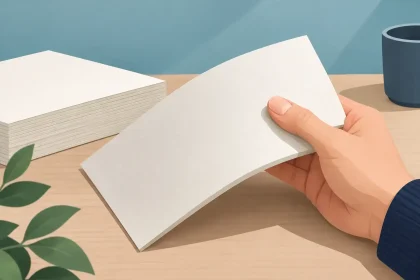
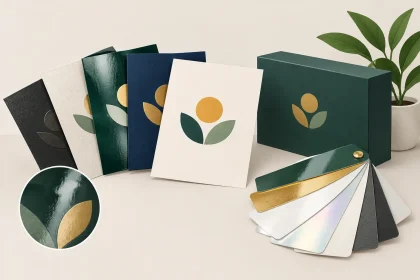
Flat, flimsy marketing materials are easy to overlook. Premium stocks, textured surfaces and finishes that feel substantial in the hand are becoming more valuable because they signal care before anyone has read a word.
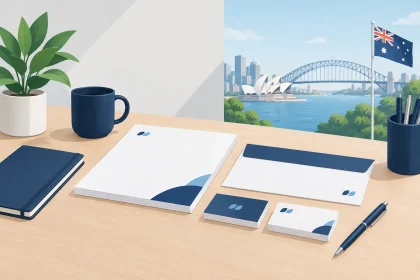
For business cards, a heavier stock can make a strong first impression at networking events and appointments. For menus, postcards and promotional flyers, a quality finish helps colours appear richer and makes the piece more likely to be retained. Even a simple envelope can set the tone before a proposal, invoice or welcome pack is opened.
Tactile print does not mean every item needs the most expensive finish available. A luxury treatment on a high-volume takeaway flyer may not be the right spend. Put the budget where touch matters most: cards exchanged in person, invitations, premium service brochures, presentation folders and materials that represent a significant sale.
Bold colour needs a practical job
Strong colour is still an effective way to be seen, but current print design is moving away from colour simply for noise. The better approach is to use a bold palette to guide attention: a bright offer panel on a flyer, a distinct event colour across banners and table material, or a recognisable brand shade on a fridge magnet.
Consistency matters more than chasing the colour of the moment. When your pull-up banner, business cards, letterheads and social graphics use the same visual cues, customers begin to recognise you more quickly. That recognition is particularly useful for local businesses competing in busy retail precincts, hospitality areas and trade events.
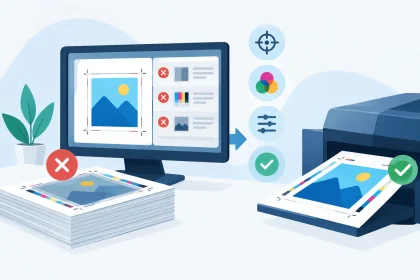
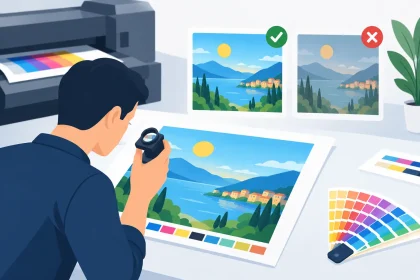
A practical warning applies here. Colours can look different on a screen than they do on paper or card, and an image that looks sharp on a mobile may not be suitable for a large banner. Supplying a press-ready PDF and using high-resolution images gives the printer the best chance of producing the result you expect. If you are unsure, it is worth asking for help before placing the order rather than discovering an issue after printing.
The return of print that people keep
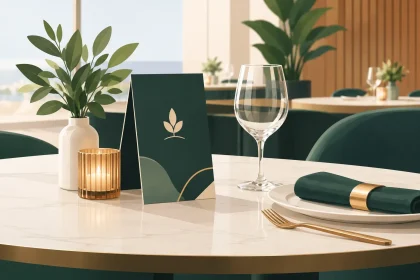
Useful print has a longer life than promotional print. That is why fridge magnets, drink coasters and practical reference cards remain effective for the right businesses. They do not have to fight for a click. They sit in a home, office, reception area or venue and keep your name visible over time.
A plumber’s emergency contact magnet, a local takeaway’s menu magnet or a venue coaster featuring an upcoming event calendar can work harder than a one-day digital campaign. The key is relevance. If the item solves a small problem, provides useful information or adds to the customer experience, people are less likely to throw it away.
This is also where hospitality and events can be more creative. Coasters can carry a QR code, but they should still work without it. Include the offer, date, contact details or next step in plain print as well. QR codes are convenient, not a substitute for a clear message.
Personalisation is becoming more achievable
Customers increasingly expect communications to feel relevant, and print can support that without becoming complicated. Variable information can be used for different locations, teams, offers or event dates, while the core design stays consistent.
For example, a multi-site business might use the same flyer layout but change the local address and offer. A sales team can keep a consistent business card design while each team member has their own details. An event organiser can adapt sponsor materials from one event to the next without redesigning everything from scratch.
Personalisation should serve a real purpose. Adding someone’s name to a piece does not automatically make it more persuasive. Local information, a relevant offer and clear timing generally matter more than a token level of customisation.
Sustainable choices are becoming normal business choices
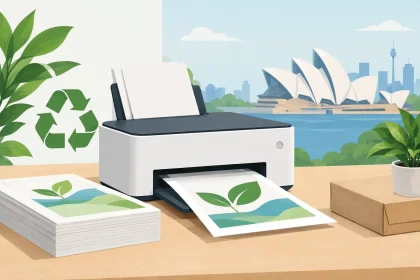
Sustainability is no longer a separate design theme reserved for certain industries. Many customers now notice unnecessary waste, excessive packaging and collateral that has clearly been overproduced. The response does not need to be complicated: print what you will genuinely use, avoid frequent redesigns for minor changes and select materials that suit the job.
Smaller, well-timed runs can reduce waste, especially for menus, campaigns and event materials with changing dates. Keeping a core brand template also reduces the chance of old stock becoming unusable after a logo tweak or contact-detail update.
There is a balance to strike. Printing tiny quantities repeatedly can create extra cost and administration, while printing too much creates storage and waste. Look at how quickly your team distributes each item, how often details change and whether a generic version can last longer. A dependable printer can help you choose a quantity that makes commercial sense, not just the largest number on a price table.
Large-format print needs to work from a distance
Pull-up banners and other large-format pieces remain valuable at expos, reception areas, open days and pop-up events, but their role is changing. They need to communicate quickly from several metres away, not behave like an A4 brochure enlarged to banner size.
The strongest banners generally have one main message, a clear brand name, a simple supporting benefit and an obvious way to contact or find you. Too much text makes a banner hard to scan, especially in a crowded venue. Think of it as the sign that starts the conversation, while a flyer, business card or staff member provides the detail.
Photography can help, particularly for food, retail, property and service businesses, but only if it is high quality and relevant. A single strong image usually has more impact than a busy collection of small pictures. Make sure important text sits well inside the safe area too, so it is not lost near the edges or hidden by the banner base.
Fast turnaround is now part of the brand experience
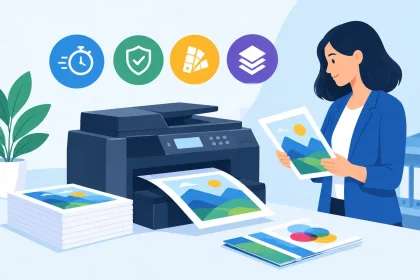
Customers often judge a business by the details around an event, meeting or promotion. A late brochure, an incorrect business card or a banner that arrives after the expo can undermine an otherwise polished plan. That is why turnaround and delivery are part of the print decision, not an afterthought.
The best way to protect a deadline is to finalise artwork early, check spelling and contact details carefully, and allow time for delivery across Australia. If the deadline is tight, speak with the print team before ordering. At iPrint Media, customers can upload ready-to-print PDF artwork or get practical support when files need attention, helping avoid preventable delays.
Print trends will keep evolving, but the most valuable materials still do the same job: they make your business easier to recognise, easier to remember and easier to contact. Choose the format, finish and quantity that suit the moment, then make every printed piece worth picking up.